
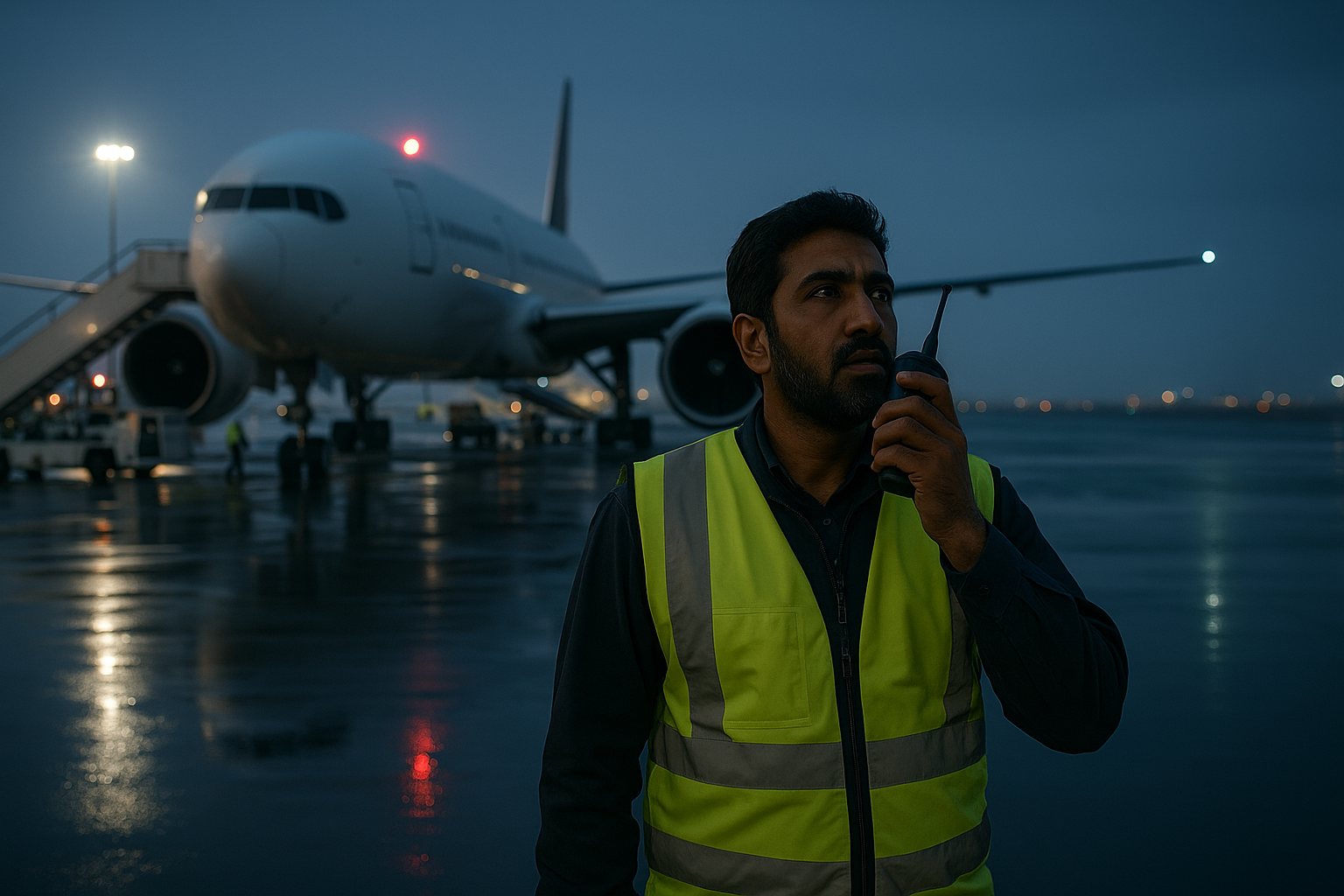
Wheels down late.
The slot won't wait.
The stand is two short.
A ground handler runs on a flight schedule that slips all day, a minimum team per turnaround and airside permits that expire. One sick loader at the wrong stand shouldn't turn a tight turnaround into a delay billed back to you.
Sound familiar?
06:40. The 07:15 widebody is two ramp agents short.
The inbound landed 40 minutes late, so the turnaround window is already under the minimum. A loader on that stand called in sick and the GSE driver's airside permit lapsed at midnight. Run the team short and the bags miss the hold, pull the gate and the aircraft loses its slot. Either way the delay is coded 32, GL, lack of loading staff, and billed straight back to you.
The roster moves with the flight schedule, and only crews who can work the stand.
- It rosters to the live flight scheduleWhen an inbound slips or a bank bunches up, the plan reflows. The platform sizes every turnaround to its minimum team and shows the stands trending short before the aircraft is on blocks.
- It only assigns crews cleared to workAirside driving permit, dangerous-goods currency and aircraft-type loading certs sit on each agent's profile. A lapsed permit blocks the assignment automatically, so no out-of-permit agent reaches the ramp.
- It ranks the nearest cover for a short standWhen a stand goes under, the platform surfaces the best available agents who are permit-current and type-certified, ranked by proximity and cost, to crew it in minutes.
What changes, in numbers.
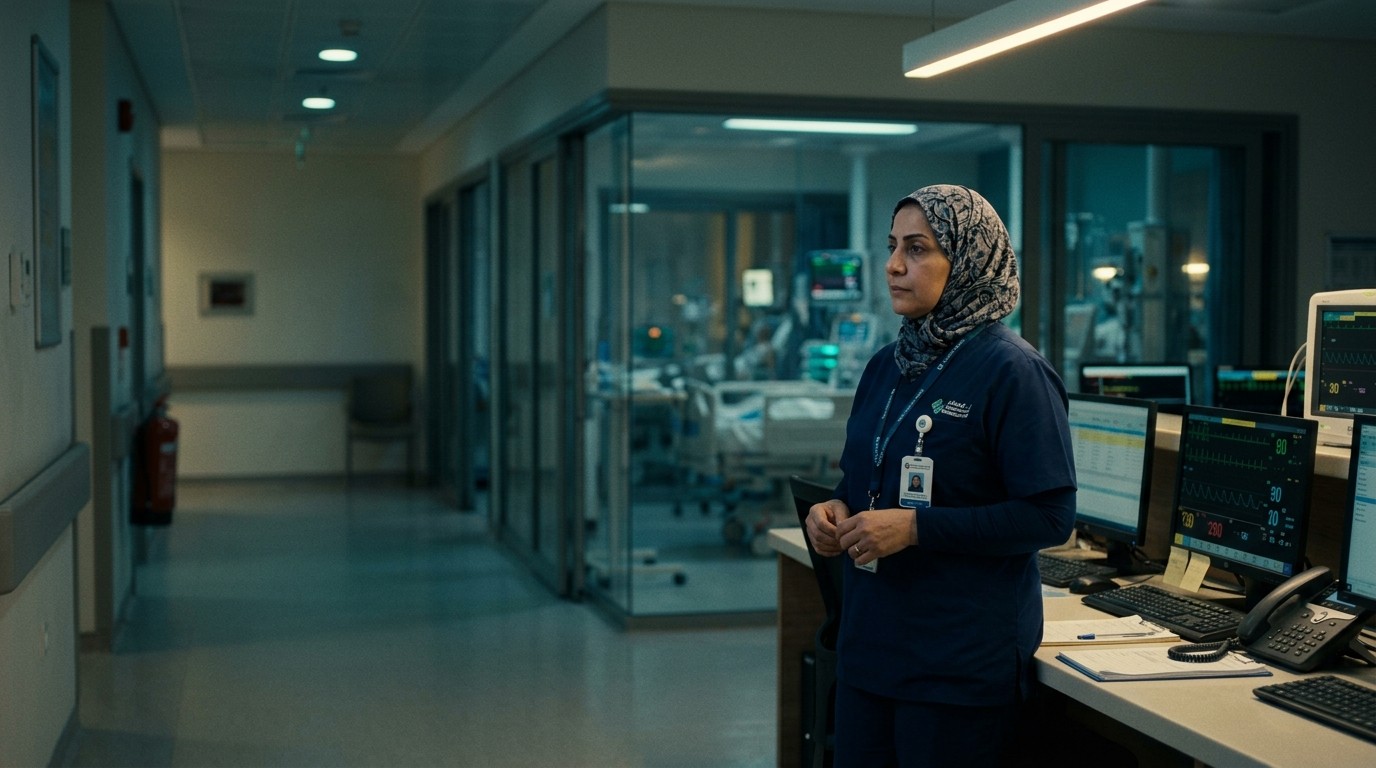 Healthcare · Certification compliance
 The night shift is fully staffed. Nobody on it can run a code.
 Security & Guarding · Licence-expiry compliance
 His licence lapsed at midnight. His shift starts at six.
See every use case
A new operation every week. Find the week that looks like yours.
Bring us your hardest week.
If a late inbound and one sick loader can turn into a delay billed back to you, your turnaround coverage shouldn't live on a whiteboard. Show us your stands, your flight schedule and your crew, and we'll run the live re-crewing and the permit checks on your own operation.
Get in touch