
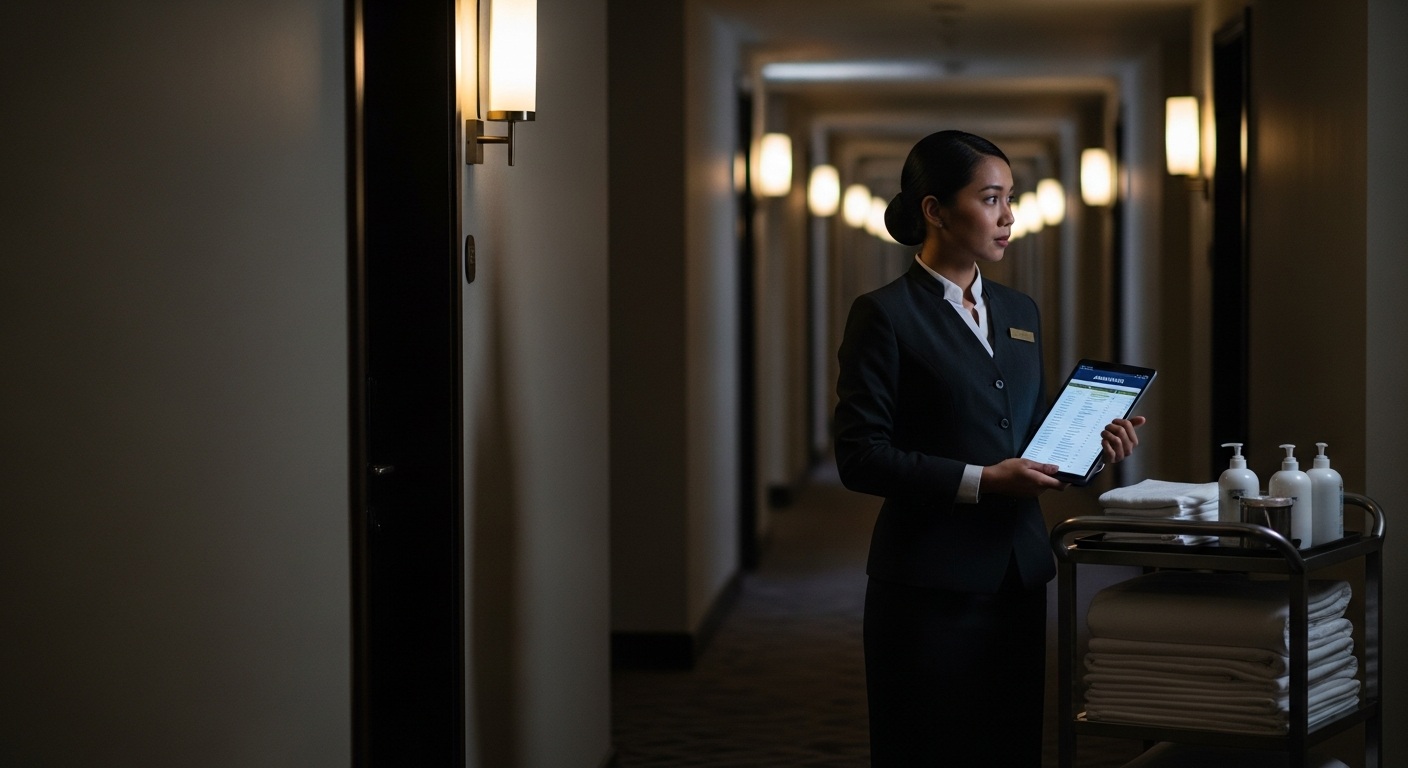
Ninety rooms to turn.
A group lands at three.
The hours won't stretch.
A full-house hotel runs on a turn window of a few hours. Departures clear, the floor flips the rooms, the arrivals walk in. One busy day, a sick call and a group landing together should not force a choice between guests waiting in the lobby and pushing the team past their legal hours.
Sound familiar?
13:20. Ninety departure rooms still dirty, and a 120-room group checks in at three.
The house is at ninety-four percent tonight, late check-outs ate into the turn window, and two room attendants called in sick this morning. The attendants on the floor are already at their room quota for the shift, so clearing the group's block in time means pushing them past eight hours, and the law caps overtime at two. Hold the rooms and the group waits in the lobby, push the team and you are over their hours and the quality slips anyway. Today that call is the Executive Housekeeper walking the floors with a printed arrivals list, ringing round to see who can stay on.
The board reflows to the people the occupancy actually needs, and keeps them legal.
- It reads the live house, not last night's forecastThe platform takes occupancy, the arrivals and departures and the function sheet straight from the property system, so the board reflects the rooms still to turn and the covers still to staff right now, not the plan you built the night before.
- It only offers people who stay inside the lawEach profile carries the eight-hour day, the forty-eight-hour week, the reduced Ramadan hours and the two-hour overtime cap, with the required rest break after five hours. A move that would push someone over, or skip their break, cannot be assigned.
- It ranks the nearest cover that fitsWhen a peak opens a gap, the platform surfaces the staff who can take it: still in hours, skilled for the section or the function, closest to ready, ranked by fit, so the rooms turn and the floor is covered before the guests arrive and inside the rules.
What changes, in numbers.
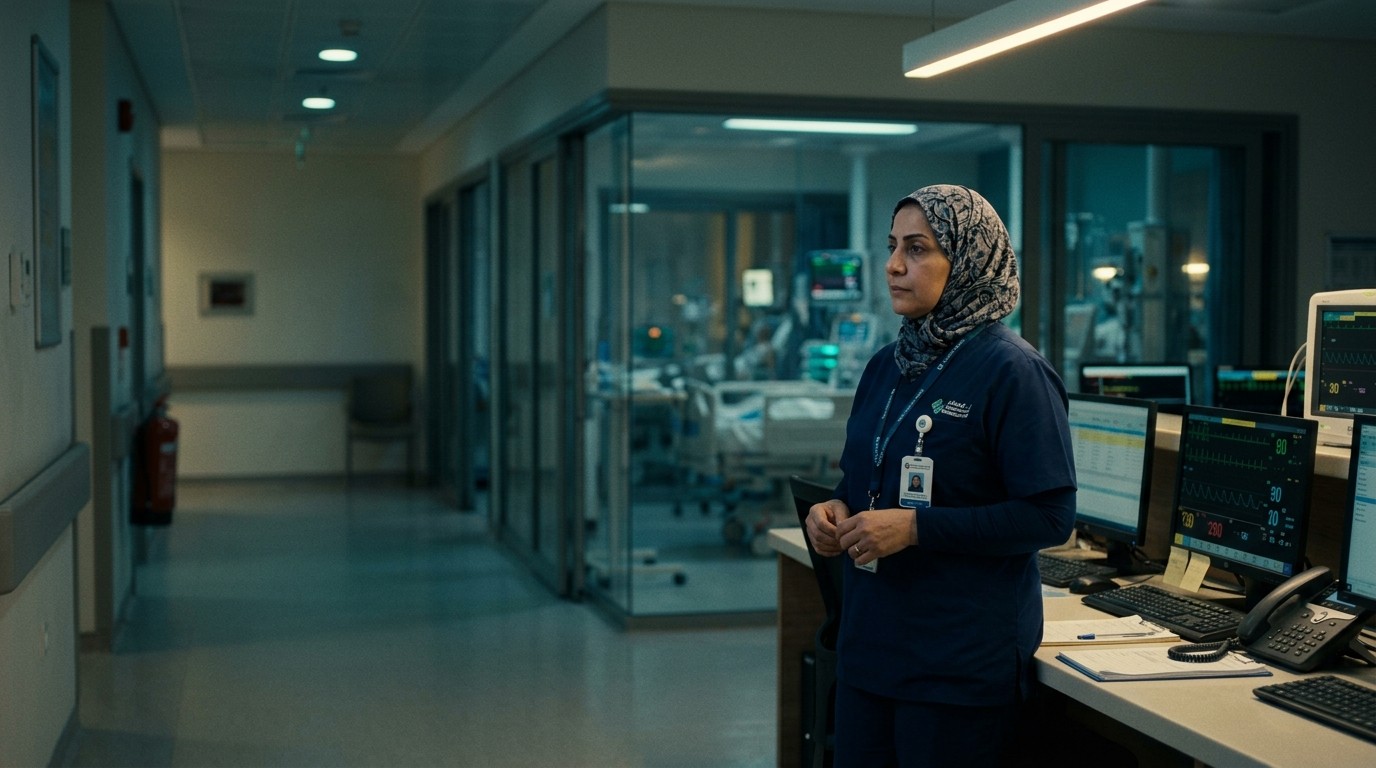 Healthcare · Certification compliance
 The night shift is fully staffed. Nobody on it can run a code.
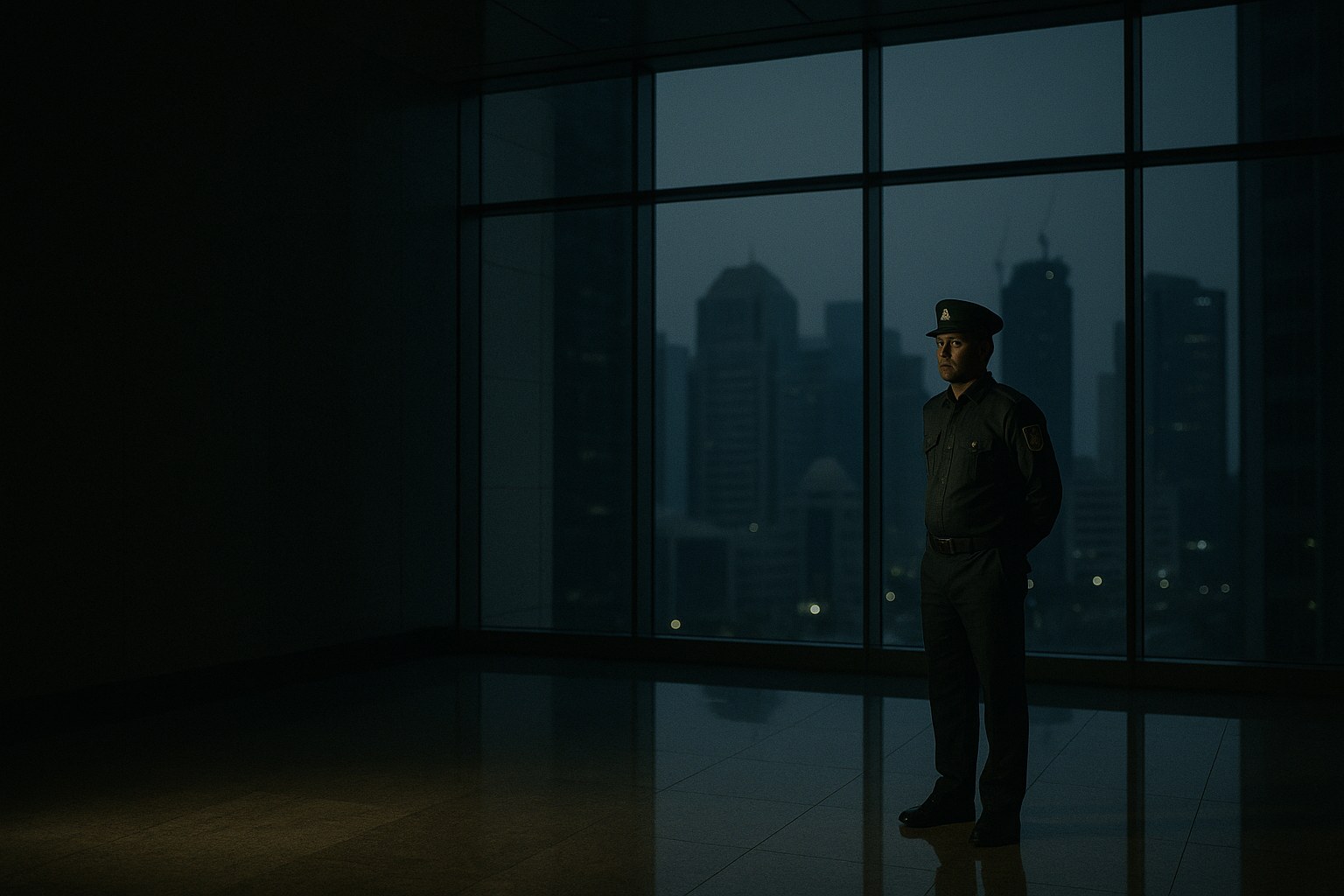 Security & Guarding · Licence-expiry compliance
 His licence lapsed at midnight. His shift starts at six.
See every use case
A new operation every week. Find the week that looks like yours.
Bring us your hardest week.
If a busy check-in day can come down to guests waiting in the lobby or your team working past their hours, your cover plan should not live on a printed arrivals list. Show us your occupancy, your floors and your team, and we will run the live re-rostering and the hours and rest checks on your own house.
Get in touch